
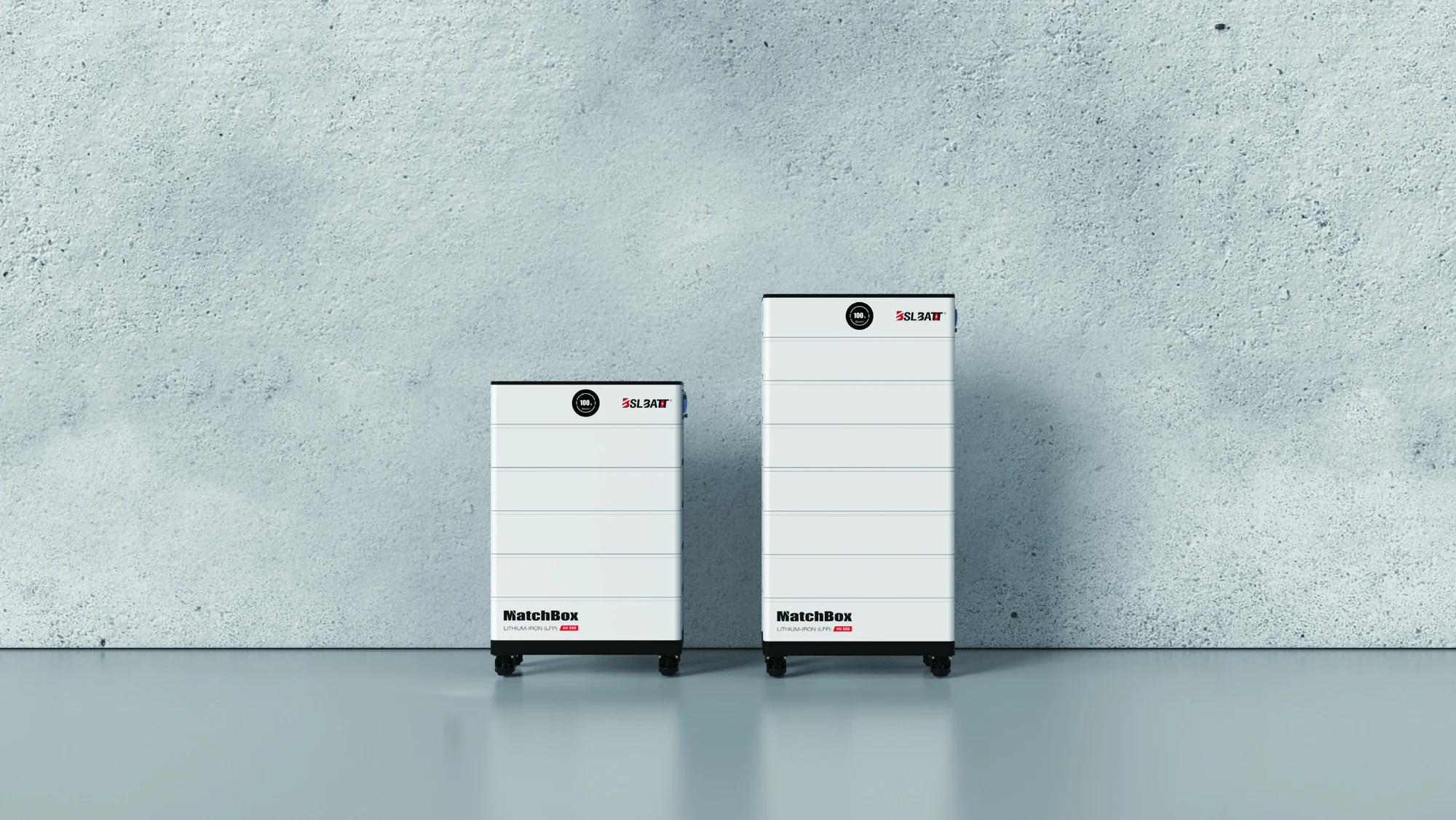
BSLBATT / residential
MatchBox HVS
15.97–37.27 kWh · Modular high-voltage storage
Explore the system
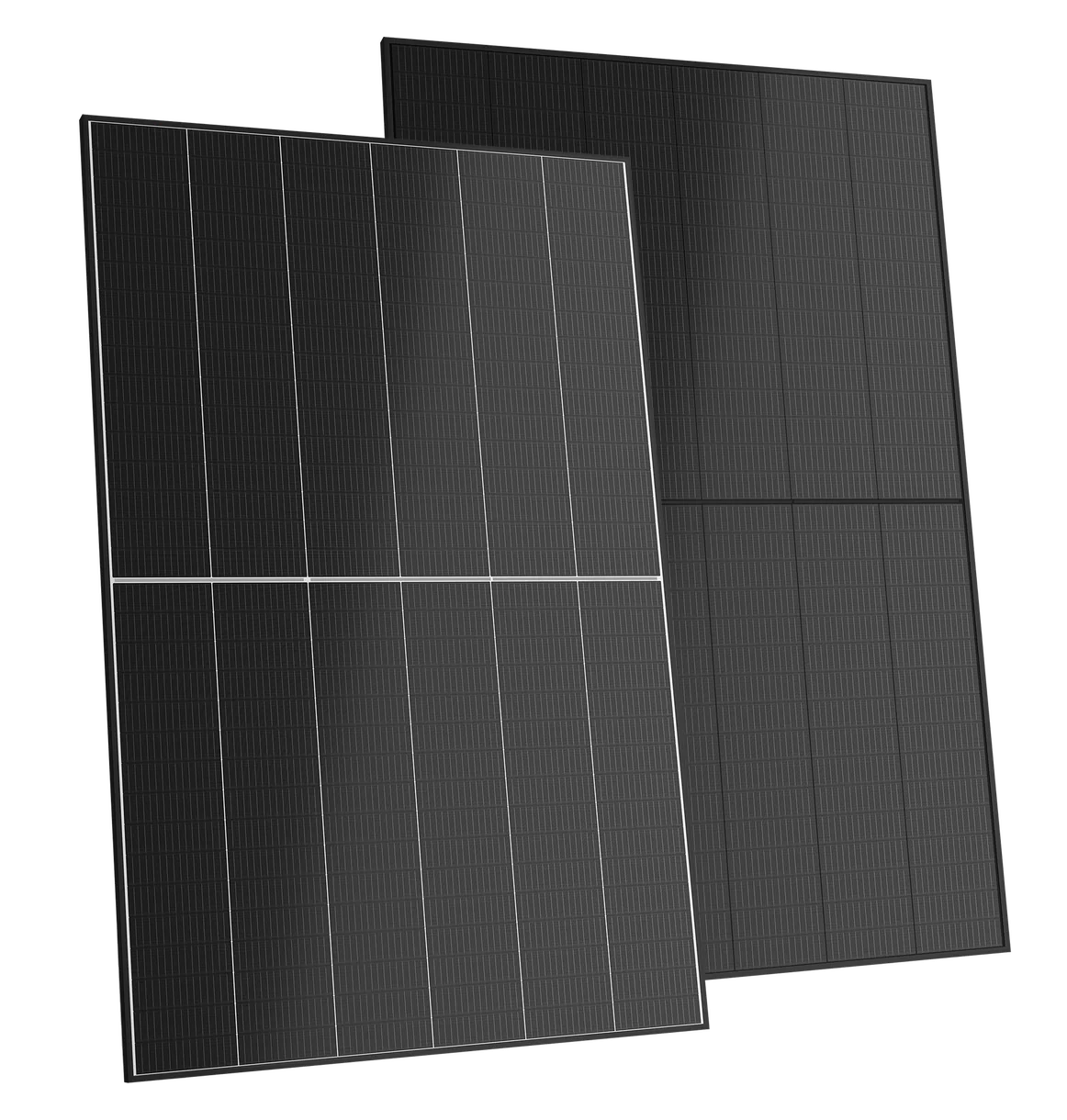
Jinko Solar · For your home
A 475 W panel made by Jinko Solar, the world’s No. 1 panel maker by shipments. Built for Australian roofs and backed by a 30-year power warranty.
Both finishes make the same power and carry the same warranties. The difference is how they look on your roof.
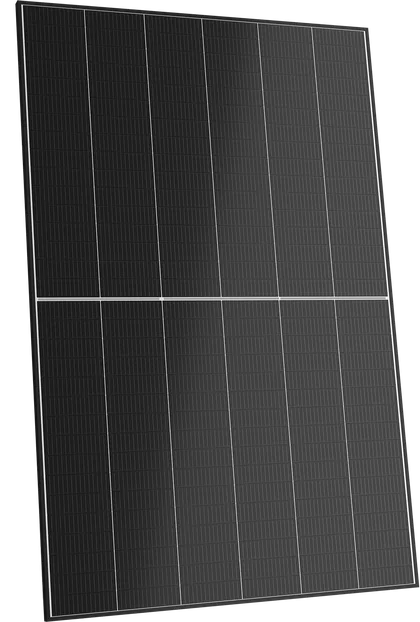
Black cells with thin white lines between them. The classic solar look.
JKM475N-48QL6-DV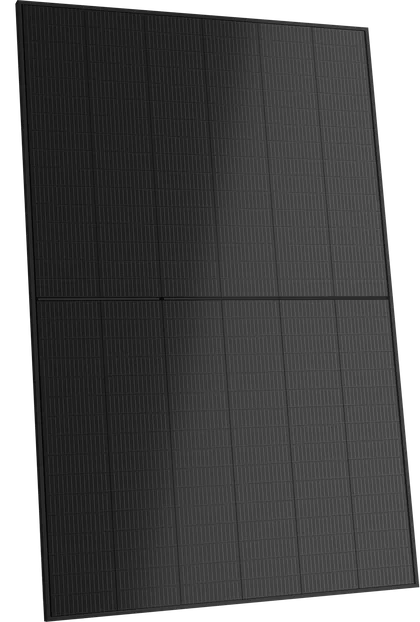
Black from edge to edge, so it blends into darker roofs.
JKM475N-48QL6-DBOn the approved list. Both 475 W panels are on the Clean Energy Council’s list of approved solar panels, which the federal solar discount requires. Listed until 19 December 2028.
What makes this panel a good choice for your home, in plain English.
Each panel is rated at 475 watts and turns 23.8% of the sunlight that hits it into electricity. More power per panel means fewer panels for the same size system.
Every solar panel loses a little power as it gets hot. This one loses just 0.26% per degree, so it keeps producing through Australian summers.
Built to keep making power when the light is weak: cloudy days, early mornings and late afternoons.
Tough glass on the front and the back seals the cells in, helping protect them from moisture, UV and wear.
Certified for heavy loads (5,400 Pa) and strong wind (2,400 Pa). It has also passed extra tests for salty sea air and farm ammonia, which suits coastal and country homes.
Power fades very slowly. Jinko guarantees at least 99% after the first year, then a loss of no more than 0.35% a year.
Every panel comes with two promises from Jinko. The panel itself is covered for 25 years, and its power for 30. In year 30 it is still guaranteed to make at least 88.85% of its rated power.
Jinko Solar has a local team in Australia for warranty support. Warranty terms and conditions apply.
| Year | Guaranteed power |
|---|---|
| New | 100% (rated power) |
| 1 | At least 99% |
| 2 | At least 98.65% |
| 3 | At least 98.3% |
| 4 | At least 97.95% |
| 5 | At least 97.6% |
| 6 | At least 97.25% |
| 7 | At least 96.9% |
| 8 | At least 96.55% |
| 9 | At least 96.2% |
| 10 | At least 95.85% |
| 11 | At least 95.5% |
| 12 | At least 95.15% |
| 13 | At least 94.8% |
| 14 | At least 94.45% |
| 15 | At least 94.1% |
| 16 | At least 93.75% |
| 17 | At least 93.4% |
| 18 | At least 93.05% |
| 19 | At least 92.7% |
| 20 | At least 92.35% |
| 21 | At least 92% |
| 22 | At least 91.65% |
| 23 | At least 91.3% |
| 24 | At least 90.95% |
| 25 | At least 90.6% |
| 26 | At least 90.25% |
| 27 | At least 89.9% |
| 28 | At least 89.55% |
| 29 | At least 89.2% |
| 30 | At least 88.85% |
Panels make power while the sun is up. A battery stores what you don’t use for the evening. We design the two together so they work as one system.
BSLBATT / residential
15.97–37.27 kWh · Modular high-voltage storage
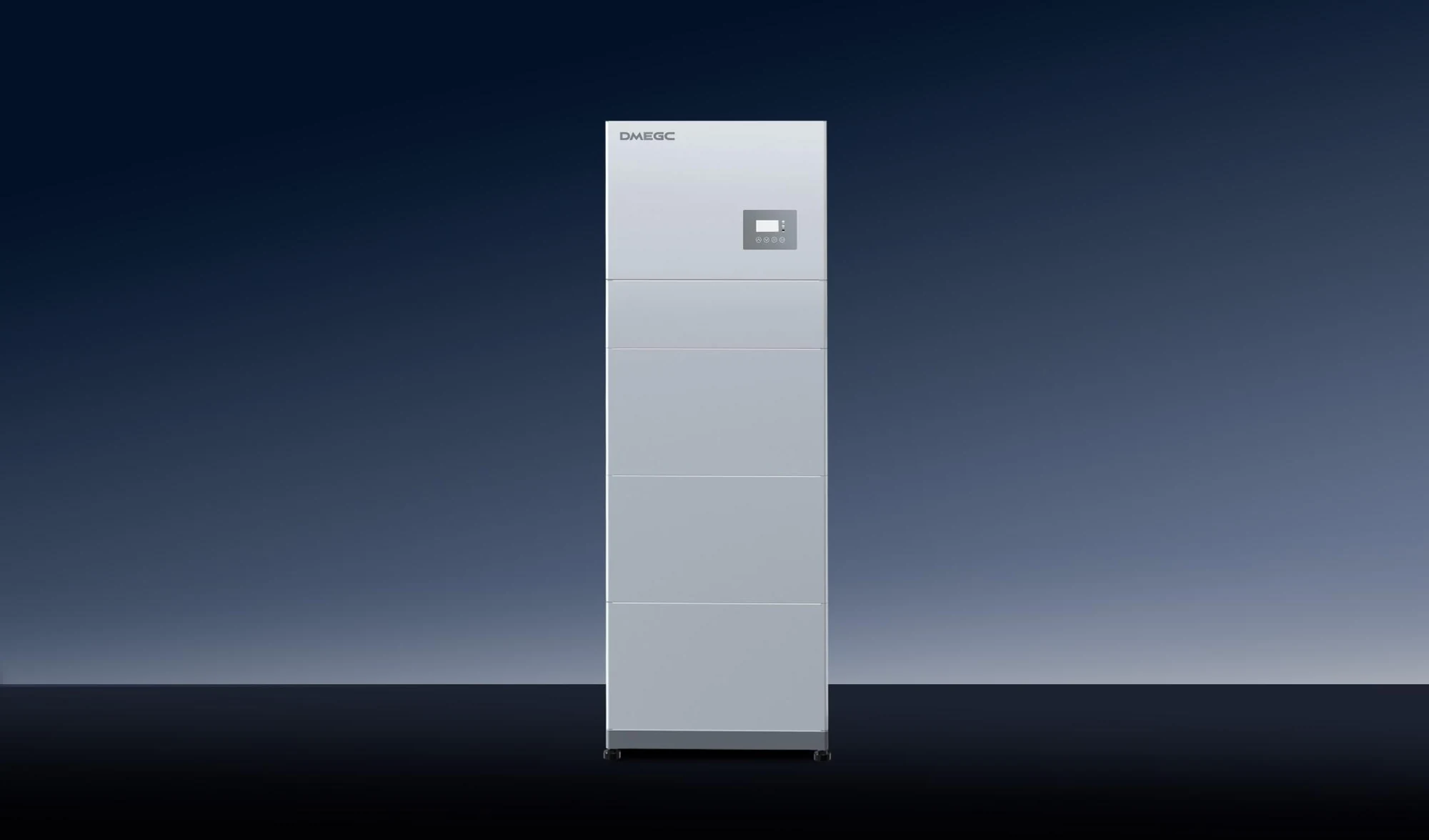
DMEGC / residential
10–61 kWh · Integrated solar & storage
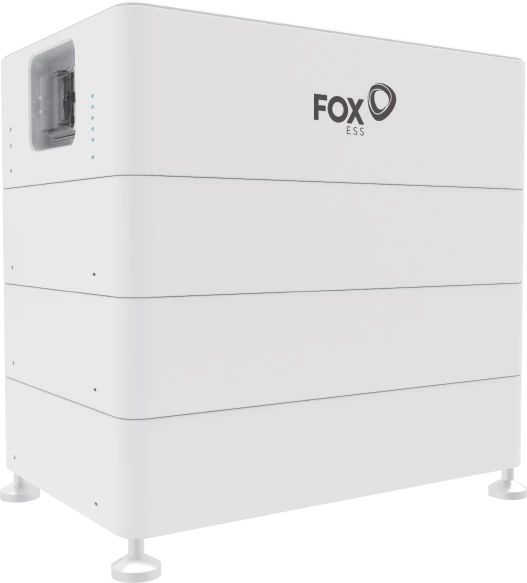
Fox ESS / residential
14.04–98.28 kWh · Modular high-voltage storage
Eligible solar panels and batteries each have their own federal discount, shown as separate lines in your quote. Understand the rebates
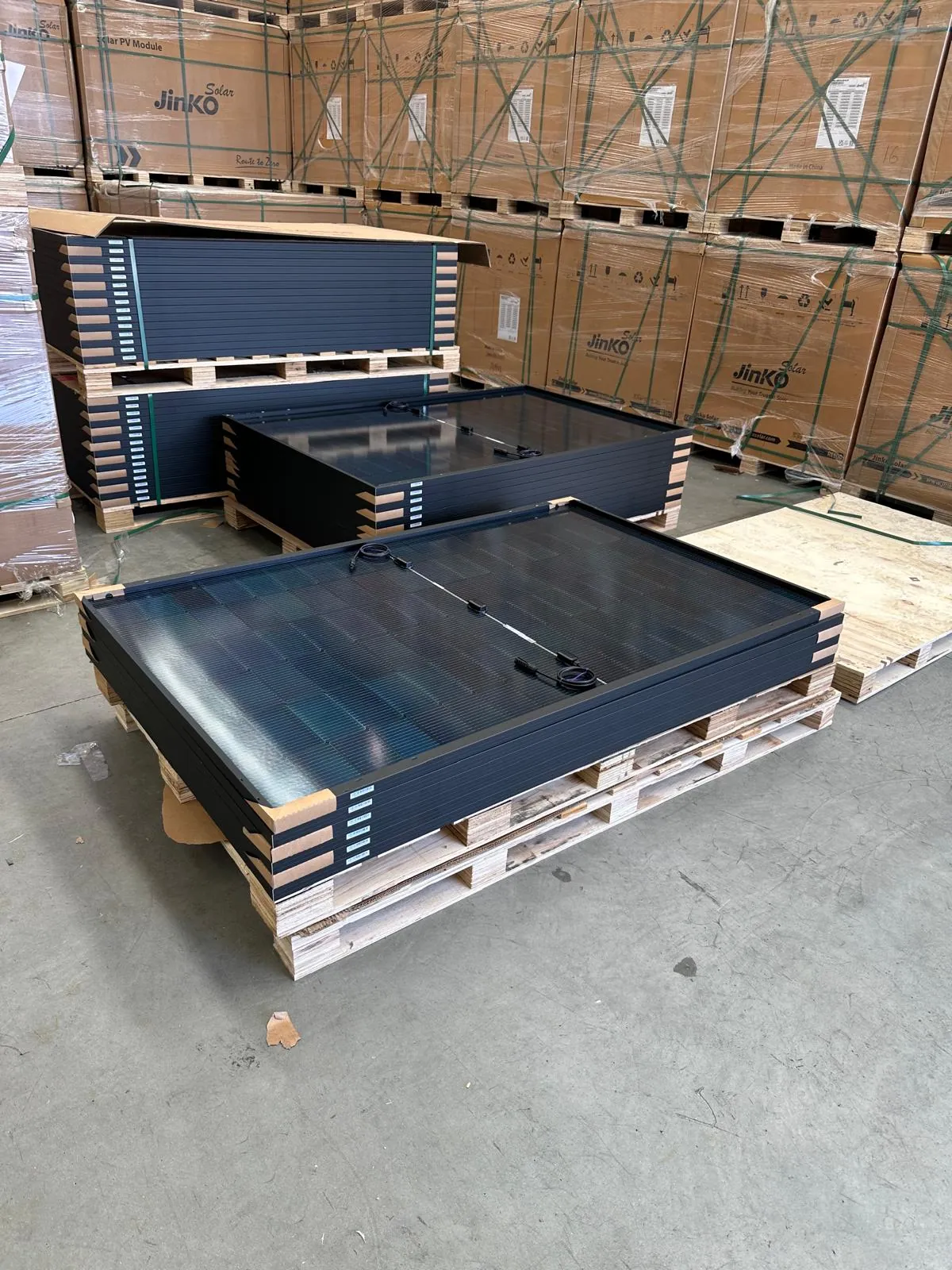
Jinko Solar has been making solar panels for 20 years. It runs its Australian business from a head office in Sydney, with warehouses in major cities, so local support and warranty help are close at hand.
Company figures from Jinko Solar Australia, checked 28 September 2026.
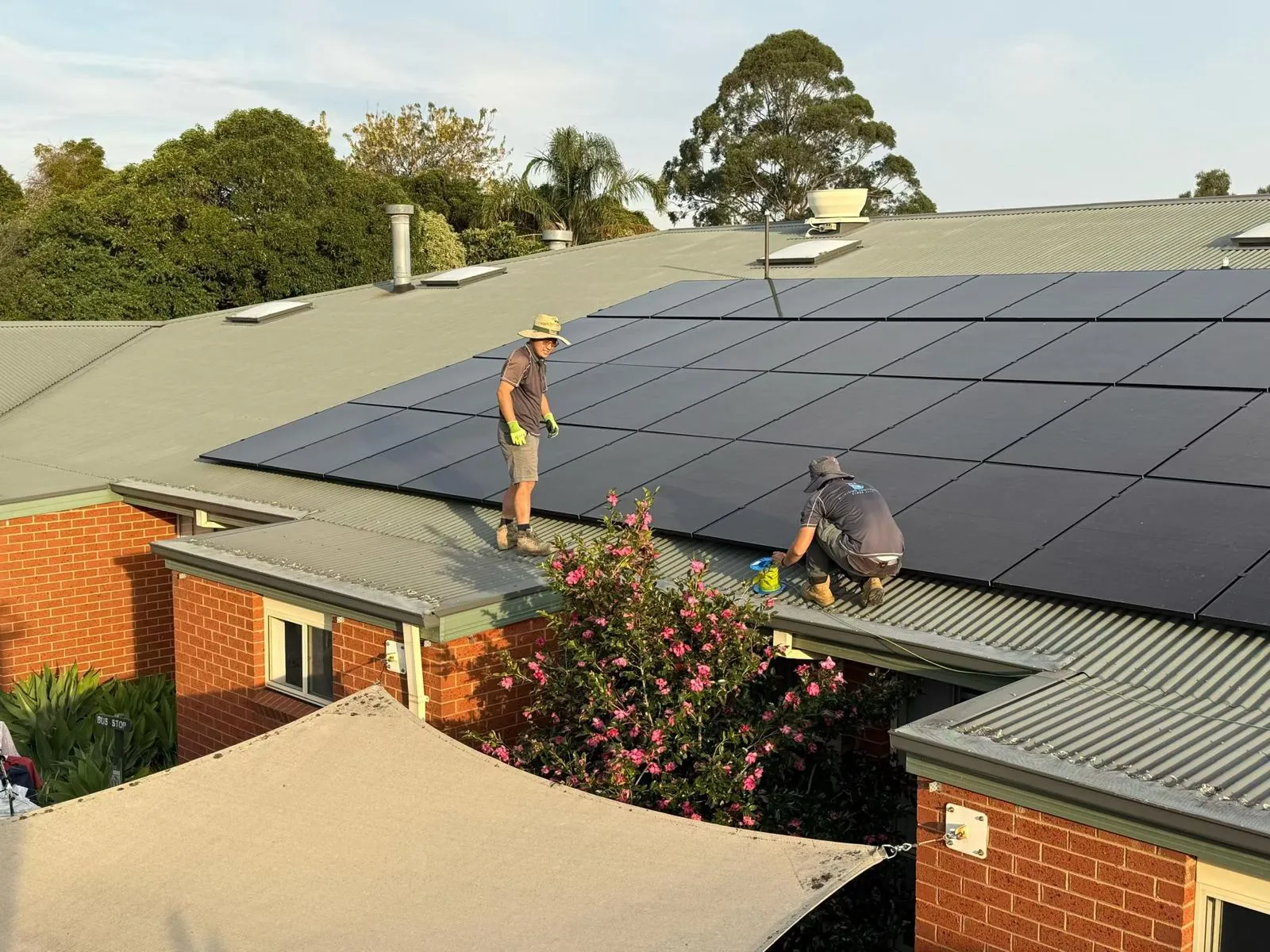
Yes. Panels make less power when the sun is weak, but these are built to keep producing through cloud, early mornings and late afternoons. The biggest factors are which way your roof faces and how much shade it gets. In Australia, north-facing roofs do best.
Yes. Every panel loses a little power as it heats up. These lose only 0.26% for each degree their cells warm up, which is less than older panel types.
No, but it helps. Without a battery, solar power you don’t use during the day goes to the grid, usually for a small credit. A battery keeps it for the evening instead. Explore home batteries.
Not on its own. For safety, a standard solar system switches off when the grid goes down. Backup power needs a battery system that is designed and set up for it. Ask us which circuits it would cover.
Both make the same power and carry the same warranties. It comes down to looks: all-black blends into darker roofs, while the standard finish has the classic solar look.
Eligible solar systems can get a federal discount through small-scale technology certificates (STCs). These 475 W panels are on the Clean Energy Council list the discount requires. The amount depends on your system size, location and install date, and shows as its own line in your quote. Read our rebate guide.
Specifications for the 475 W panel in both finishes, from Jinko’s datasheets.
| Specification | Standard (48QL6-DV) | All-black (48QL6-DB) |
|---|---|---|
| Model | JKM475N-48QL6-DV | JKM475N-48QL6-DB |
| Maximum power (Pmax) | 475 W | 475 W |
| Module efficiency | 23.77% | 23.77% |
| Voltage at maximum power (Vmp) | 31.11 V | 31.13 V |
| Current at maximum power (Imp) | 15.27 A | 15.26 A |
| Open-circuit voltage (Voc) | 36.42 V | 36.44 V |
| Short-circuit current (Isc) | 15.86 A | 15.85 A |
JKM475N-48QL6-DV and JKM475N-48QL6-DB were approved on 19 December 2025 and are listed until 19 December 2028 (certificate TÜV SÜD Z2 118443 0037 Rev. 21). The listing also records extra tests for PID resistance (IEC 62804), salt mist resistance (IEC 61701) and ammonia resistance (IEC 62716).
We mainly supply these panels with our own installations, and can take larger orders on request.
Ask about volume ordersSpecifications: Jinko Solar datasheets JKM460-485N-48QL6-DV-F2-OC and JKM460-485N-48QL6-DB-F2-OC, shown for the 475 W size. Approved-list details: Clean Energy Council, checked 28 September 2026. Manufacturer claims; warranty terms and conditions apply.
Make your next move a brighter one
A conversation, a clearer plan, and a system that fits.